Introduction
Portable cabins have revolutionized various industries with their convenience and adaptability. From providing temporary accommodation to serving as onsite offices, these structures offer a myriad of benefits. In this guide, we'll delve into the world of portable cabins, exploring their different types, advantages, applications, and more. Sonic Menu with Prices
Defining Portable Cabins
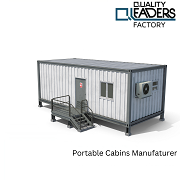
Portable cabins, also known as modular buildings or prefabricated structures, are transportable units designed for temporary or permanent use. These cabins are typically manufactured off-site and transported to their desired location, making them an ideal solution for various purposes.
Importance and Versatility
The versatility of portable cabins makes them indispensable across numerous sectors. Whether used as construction site offices, temporary classrooms, or emergency shelters during disasters, these cabins offer a flexible and cost-effective alternative to traditional building methods.
Types of Portable Cabins
Residential Portable Cabins
Residential portable cabins cater to the housing needs of individuals seeking temporary or permanent accommodation solutions. These cabins are available in various sizes and configurations, ranging from single-room units to multi-bedroom layouts, providing comfort and convenience for occupants.
Commercial Portable Cabins
Commercial portable cabins serve as onsite offices, retail outlets, or temporary workspaces for businesses. With customizable layouts and modern amenities, these cabins offer a professional environment for conducting business operations in remote or temporary locations.
Industrial Portable Cabins
Industrial portable cabins are tailored to meet the specific requirements of industrial sectors such as mining, oil and gas, and construction. These robust structures are equipped with heavy-duty features, ensuring durability and safety in challenging work environments.
Advantages of Portable Cabins
Mobility and Flexibility
Portable cabins can be easily transported and installed at different locations, providing unmatched mobility and flexibility. Whether relocating a construction site office or setting up temporary classrooms, these cabins offer convenience without compromising on quality.
Cost-Effectiveness
The cost-effectiveness of portable cabins makes them an attractive option for budget-conscious individuals and businesses. Compared to traditional construction methods, the modular design and efficient manufacturing process result in significant cost savings without compromising on quality or aesthetics.
Quick Installation
The rapid installation process of portable cabins minimizes downtime and disruption, allowing businesses to start operations promptly. With streamlined construction and assembly procedures, these cabins offer a time-efficient solution for urgent accommodation or workspace requirements.
Factors to Consider
Size and Layout
When choosing a portable cabin, consider the size and layout that best suits your needs. Whether accommodating a small team of workers or hosting a large event, selecting the appropriate dimensions ensures optimal functionality and comfort.
Materials and Durability
Evaluate the materials used in the construction of portable cabins to ensure durability and longevity. Opt for high-quality materials that withstand harsh weather conditions and heavy usage, minimizing maintenance requirements and ensuring long-term reliability.
Customization Options
Explore customization options to personalize your portable cabin according to your preferences and requirements. From interior fittings and furnishings to exterior finishes and branding, customization allows you to create a tailored space that reflects your unique style and identity.
Popular Applications
Construction Sites
Portable cabins play a crucial role in construction site operations, serving as temporary offices, storage facilities, and welfare units for workers. These cabins provide a comfortable and secure environment for project management, administration, and onsite meetings, enhancing productivity and efficiency.
Event Management
Event organizers utilize portable cabins for ticket booths, merchandise stalls, and VIP lounges during festivals, concerts, and outdoor events. With customizable layouts and branding opportunities, these cabins offer a professional and inviting space for attendees and staff, enhancing the overall event experience.
Emergency Shelters
During natural disasters or humanitarian crises, portable cabins serve as emergency shelters for displaced individuals and relief workers. These secure and weather-resistant structures provide temporary housing, medical facilities, and logistical support, aiding in disaster response and recovery efforts.
Maintenance Tips
Regular Cleaning and Inspection
Maintain the cleanliness and hygiene of portable cabins by performing regular cleaning and sanitation procedures. Remove debris, dust, and dirt from surfaces, floors, and ventilation systems to prevent the buildup of allergens and contaminants.
Weatherproofing Measures
Protect portable cabins from adverse weather conditions by implementing weatherproofing measures such as sealing gaps, repairing leaks, and reinforcing structural components. Install insulation and ventilation systems to regulate temperature and humidity levels, ensuring comfort and safety for occupants.
Structural Maintenance
Inspect portable cabins periodically for signs of wear and tear, including cracks, leaks, and corrosion. Address any structural issues promptly to prevent further damage and ensure the integrity of the cabin. Replace damaged components and perform routine maintenance tasks to prolong the lifespan of the structure.
Environmental Impact
Sustainable Materials
Embrace sustainable building practices by using eco-friendly materials in the construction of portable cabins. Choose renewable resources, recycled materials, and energy-efficient technologies to minimize environmental impact and promote conservation efforts.
Energy Efficiency
Optimize energy efficiency in portable cabins through passive design strategies and energy-saving measures. Incorporate insulation, double-glazed windows, and energy-efficient appliances to reduce heating and cooling loads, lowering utility costs and carbon emissions.
Recycling and Reuse
Promote the recycling and reuse of portable cabins at the end of their lifecycle to minimize waste and resource depletion. Salvage usable materials and components for repurposing or recycling, diverting materials from landfills, and contributing to the circular economy.
Regulations and Compliance
Building Codes
Ensure compliance with local building codes and regulations when installing portable cabins onsite. Obtain necessary permits and approvals from relevant authorities to avoid legal issues and fines associated with non-compliance.
Zoning Laws
Adhere to zoning laws and regulations governing the placement and use of portable cabins within designated areas. Consult with municipal authorities and landowners to determine permissible land use and zoning restrictions before installing or relocating cabins.
Safety Standards
Prioritize safety and adherence to industry standards when designing and constructing portable cabins. Implement structural reinforcements, fire safety measures, and emergency exits to mitigate risks and ensure the well-being of occupants in accordance with regulatory requirements.
Cost Analysis
Initial Investment
Evaluate the initial investment required for purchasing or leasing portable cabins, taking into account factors such as size, customization, and specifications. Compare quotes from different suppliers and manufacturers to find the best value proposition that meets your budget and requirements.
Long-Term Savings
Assess the long-term savings and cost benefits associated with portable cabins compared to traditional building methods. Consider factors such as reduced construction time, lower maintenance costs, and potential resale value to calculate the overall return on investment over the lifespan of the cabins.
Return on Investment
Calculate the return on investment (ROI) for portable cabins based on the total cost of ownership and projected benefits over time. Factor in savings in terms of time, money, and resources to determine the economic viability and profitability of investing in portable cabins for your specific application.
Case Studies
Real-Life Examples
Explore real-life examples of successful projects and installations involving portable cabins across different industries and applications. Learn from case studies and testimonials shared by clients, contractors, and manufacturers to gain insights into best practices and innovative solutions.
Success Stories
Discover success stories of businesses and organizations that have benefited from using portable cabins to overcome challenges and achieve their goals. Hear firsthand accounts of improved efficiency, cost savings, and operational flexibility attributed to the strategic deployment of portable cabin solutions.
Testimonials
Read testimonials from satisfied customers and stakeholders who have experienced the benefits of portable cabins firsthand. Gain valuable feedback and recommendations regarding product quality, service reliability, and overall satisfaction to inform your decision-making process.
Conclusion
In conclusion, portable cabins offer a versatile, cost-effective, and sustainable solution for various accommodation and workspace requirements. From residential housing to commercial offices and industrial facilities, these modular structures provide mobility, flexibility, and durability in diverse settings. By considering factors such as size, materials, and regulations, individuals and businesses can make informed decisions when selecting and utilizing portable cabins for their specific needs. As the demand for portable accommodation continues to grow, innovation and adaptation will drive the evolution of this dynamic industry, shaping the future of modular construction and infrastructure development.
FAQs
- Are portable cabins suitable for long-term use?
- Portable cabins are designed to withstand long-term use, provided they are properly maintained and serviced at regular intervals. With proper care and maintenance, these structures can offer durability and reliability comparable to traditional buildings.
- Can portable cabins be customized to specific requirements?
- Yes, portable cabins can be customized to meet specific requirements in terms of size, layout, amenities, and branding. From interior fittings and furnishings to exterior finishes and signage, customization options allow individuals and businesses to create tailored spaces that align with their preferences and objectives.
- What are the environmental benefits of using portable cabins?
- Portable cabins offer several environmental benefits, including the use of sustainable materials, energy-efficient design, and opportunities for recycling and reuse. By embracing eco-friendly practices and technologies, portable cabins contribute to conservation efforts and promote environmental sustainability.
- Are portable cabins subject to building regulations and safety standards?
- Yes, portable cabins are subject to building regulations, zoning laws, and safety standards governing their design, construction, and installation. It is essential to ensure compliance with applicable regulations and obtain necessary permits and approvals before deploying portable cabins onsite.
- How do portable cabins compare to traditional building methods in terms of cost?
- Portable cabins offer cost advantages over traditional building methods due to their modular design, streamlined construction process, and lower material wastage. While initial investment costs may vary depending on specifications and customization, portable cabins typically offer savings in terms of time, labor, and overall project costs.
- Can portable cabins be relocated to different sites?
- Yes, portable cabins are designed to be easily transported and relocated to different sites as needed. Whether for temporary projects, seasonal events, or permanent installations, these structures offer mobility and flexibility, allowing users to adapt to changing requirements and environments.
|