Cycling a fish tank is one of the most important steps in establishing a healthy and stable aquarium. While many beginners focus on choosing fish, decorations, and equipment, the biological cycle that develops within the aquarium is what ultimately determines long-term success. Without a properly cycled tank, fish can be exposed to dangerous toxins that lead to stress, illness, or even death.
Whether you are setting up your first aquarium or upgrading to a larger system, understanding the cycling process is essential. If you've recently purchased one of the many aquariums fish tank setups available from a trusted aquariums shop, taking the time to cycle your aquarium correctly will create a safer environment for your aquatic life and reduce maintenance challenges in the future.
What Does "Cycling a Tank" Actually Mean?
Cycling a tank refers to the process of establishing beneficial bacteria within the aquarium’s filtration system and surfaces. These bacteria form the foundation of the biological filtration process by breaking down harmful waste products produced by fish, uneaten food, and organic matter.
In a newly set-up aquarium, these beneficial bacteria are either absent or present in very small numbers. Cycling allows their populations to grow to levels capable of processing waste efficiently, helping maintain stable water quality and protecting fish from toxic compounds.
A fully cycled aquarium can continuously convert harmful waste into less toxic substances, creating a healthy ecosystem for fish, plants, and other aquatic inhabitants.
The Nitrogen Cycle in Plain Terms
The cycling process is based on what is known as the nitrogen cycle.
The cycle begins when fish waste, decaying food, plant matter, or other organic materials produce ammonia. Ammonia is highly toxic and can quickly become dangerous, even at relatively low concentrations.
As beneficial bacteria develop, they convert ammonia into nitrite, which is also harmful to fish. A second group of beneficial bacteria then converts nitrite into nitrate.
The process follows this sequence:
Ammonia → Nitrite → Nitrate
While nitrate is considerably less toxic than ammonia and nitrite, it should still be managed through regular water changes, live plants, and proper aquarium maintenance.
The primary goal of cycling is to establish sufficient bacterial colonies to process ammonia and nitrite efficiently, ensuring these harmful substances remain at safe levels.
The Two Cycling Methods: Which One Should You Use?
There are two commonly used methods for cycling an aquarium:
Fishless Cycling
Fishless cycling involves establishing beneficial bacteria before introducing fish to the aquarium. This method uses an external ammonia source to feed the developing bacteria.
Fish-In Cycling
Fish-in cycling introduces fish while the biological filter is still developing. Because fish produce waste immediately, careful monitoring and frequent water changes are required to prevent toxic ammonia and nitrite levels.
Most experienced aquarists and professionals within the aquarium industry recommend fishless cycling due to its safety and reliability.
Method 1: Fishless Cycling (Recommended)
Fishless cycling is widely regarded as the most effective and humane method of establishing a biological filter.
Advantages of Fishless Cycling
- No exposure of fish to toxic water conditions
- Greater control over ammonia levels
- Reduced risk of fish stress and disease
- Stronger and more stable bacterial colonies
- Easier monitoring and management
For both beginners and experienced hobbyists, fishless cycling provides the best foundation for a successful aquarium.
Method 2: Fish-In Cycling
Fish-in cycling can be effective when performed carefully, but it carries additional risks.
During this process, fish are added to the aquarium while beneficial bacteria gradually establish themselves. Since ammonia and nitrite can rise quickly, water testing must be conducted frequently and water changes performed whenever necessary.
Challenges of Fish-In Cycling
- Increased risk of fish stress
- Greater maintenance requirements
- Potential for ammonia and nitrite spikes
- Higher likelihood of disease outbreaks
For these reasons, fish-in cycling is generally recommended only when fishless cycling is not possible.
How to Cycle Your Tank – Fishless Method, Step by Step
Fishless cycling is a straightforward process when approached methodically. Although patience is required, the result is a stable and healthy aquarium capable of supporting aquatic life safely.
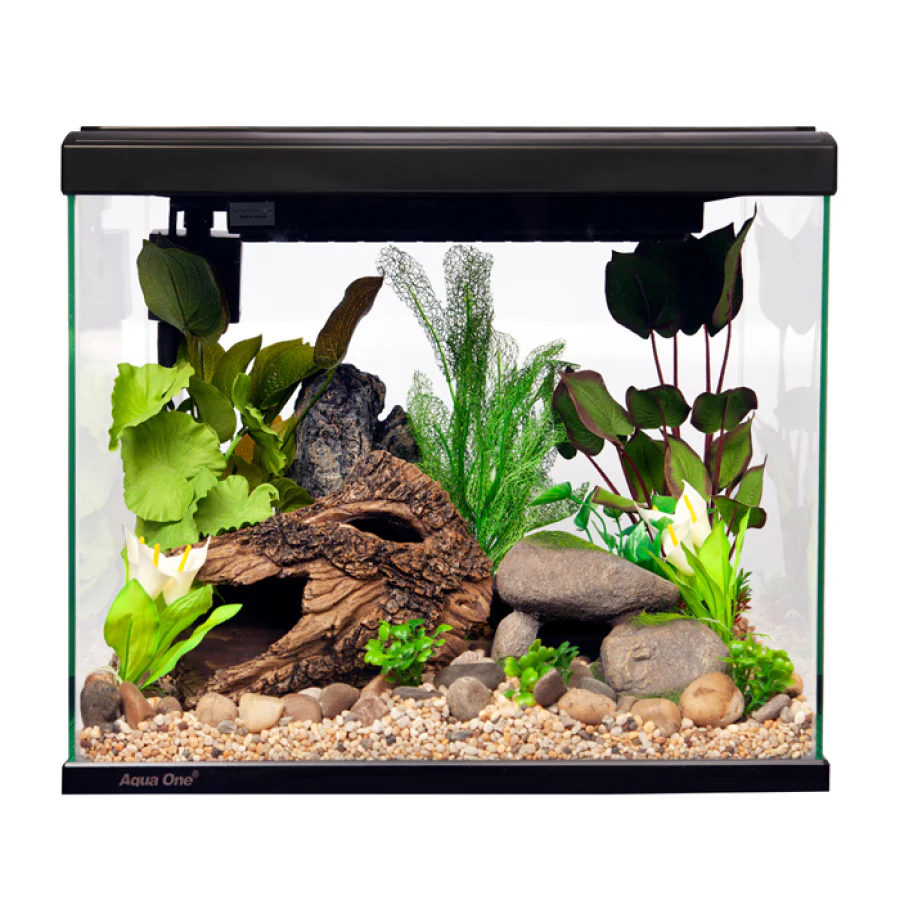
Step 1: Set Up the Tank Fully
Before beginning the cycling process, ensure the aquarium is completely assembled.
This includes:
- Aquarium and stand
- Filtration system
- Heater (if required)
- Substrate
- Decorations and hardscape
- Water conditioner
- Lighting
Fill the aquarium with dechlorinated water and ensure all equipment is functioning properly. The filter should operate continuously throughout the cycling process, as beneficial bacteria primarily colonise filter media.
Many hobbyists purchasing equipment from reputable suppliers such as Oasis Aquariums will find complete starter packages designed specifically for this purpose.
Step 2: Add an Ammonia Source
Beneficial bacteria require a source of ammonia in order to grow and reproduce.
Common ammonia sources include:
- Pure ammonia designed for aquarium use
- Fish food allowed to decompose
- Commercial cycling products
Pure ammonia generally provides the most accurate and controllable method. A target concentration of approximately 2–4 ppm (parts per million) is often recommended for fishless cycling. This level provides sufficient nutrients for bacterial development without overwhelming the system.
Step 3: Test the Water Every 2–3 Days
Regular water testing is essential throughout the cycling process.
A high-quality liquid test kit should be used to monitor:
- Ammonia
- Nitrite
- Nitrate
- pH
During the early stages, ammonia levels will remain elevated. As beneficial bacteria begin to establish, nitrite levels will increase while ammonia gradually decreases.
Eventually, nitrate will begin to appear, indicating that the second stage of bacterial development is taking place.
Recording test results helps track progress and identify any issues that may require attention.
Step 4: Watch for the Cycle to Complete
As bacterial colonies mature, the aquarium will become increasingly efficient at processing waste.
The cycle is generally considered complete when:
- Ammonia measures 0 ppm
- Nitrite measures 0 ppm
- Nitrate is consistently present
A common confirmation method involves adding ammonia to the aquarium and testing again after 24 hours. If both ammonia and nitrite return to zero within that period, the biological filter is functioning effectively. At this stage, the aquarium is ready to support fish safely.
Step 5: Add Fish Gradually
Once the tank is cycled, fish should be introduced slowly rather than all at once.
Gradual stocking allows the biological filter to adapt to increasing waste production and helps maintain stable water conditions.
Begin with a small number of fish and continue monitoring water parameters closely. Additional fish can then be introduced over several weeks. This approach reduces stress on both the fish and the biological filtration system.
How to Speed Up the Cycle (Without Cutting Corners)
Although cycling requires time, there are several proven methods to accelerate the process safely.
Use Established Filter Media
Adding filter media from a mature aquarium introduces beneficial bacteria immediately and can significantly reduce cycling time.
Add Live Beneficial Bacteria
Commercial bacterial supplements can help seed the aquarium with nitrifying bacteria and support faster biological development.
Maintain Stable Water Temperatures
Beneficial bacteria reproduce more efficiently in warmer conditions. For tropical aquariums, temperatures between 26°C and 28°C are often ideal.
Optimise Oxygen Levels
Good water circulation and filtration provide oxygen, which is essential for bacterial growth. Adequate oxygenation can improve bacterial activity and support a faster cycle.
Common Cycling Mistakes & How to Avoid Them
Many aquarium issues can be traced back to mistakes made during the cycling process.
Adding Fish Too Soon
Introducing fish before the biological filter is fully established often results in ammonia and nitrite spikes.
Overdosing Ammonia
Excessively high ammonia concentrations can slow bacterial growth rather than accelerate it.
Turning Off the Filter
Beneficial bacteria require a constant supply of oxygen-rich water. Filters should operate continuously.
Neglecting Water Testing
Without regular testing, it is difficult to determine whether the cycle is progressing correctly.
Cleaning Filter Media Improperly
Washing filter media under untreated tap water can destroy beneficial bacteria. Always rinse filter media using aquarium water during maintenance.
What to Do If the Cycle Seems Stuck
Some aquariums take longer to cycle than others. If progress appears slow, several factors should be evaluated.
Check Water Temperature
Cool water can significantly reduce bacterial growth rates.
Monitor pH Levels
Low pH conditions may inhibit nitrifying bacteria and slow the cycle.
Review Ammonia Concentrations
Very high ammonia levels can delay bacterial establishment.
Be Patient
Every aquariums fish tank system is unique. Factors such as filtration, water chemistry, temperature, and bacterial sources can influence cycling times. In many cases, patience is simply part of the process.
Your Tank is Cycled. What's Next?
After cycling is complete, ongoing maintenance becomes the key to long-term success.
Best practices include:
- Performing regular water changes
- Monitoring water parameters
- Cleaning equipment as needed
- Avoiding overfeeding
- Stocking responsibly
- Maintaining filtration systems
A properly cycled aquarium provides a stable foundation for healthy fish growth, vibrant aquatic plants, and consistent water quality.
Quick Reference: Cycling at a Glance
- Fully set up the aquarium and equipment.
- Add a suitable ammonia source.
- Run the filtration system continuously.
- Test ammonia, nitrite, and nitrate regularly.
- Wait for ammonia and nitrite to reach zero.
- Confirm the tank can process ammonia within 24 hours.
- Perform any necessary water changes.
- Introduce fish gradually.
- Continue regular maintenance and monitoring.
Conclusion
Cycling an aquarium is a critical step that should never be overlooked. By establishing beneficial bacteria before fully stocking your tank, you create a stable biological filtration system capable of processing waste efficiently and maintaining healthy water conditions. While the process requires patience, the rewards include healthier fish, improved water quality, and fewer long-term problems.
Whether you're purchasing equipment from Oasis Aquariums, visiting a trusted aquariums store, or setting up one of the latest fish tank systems from your preferred aquariums shop, investing time in proper cycling is one of the best decisions you can make. A well-cycled aquarium forms the foundation of a thriving aquatic environment and sets the stage for long-term success in fishkeeping.
|